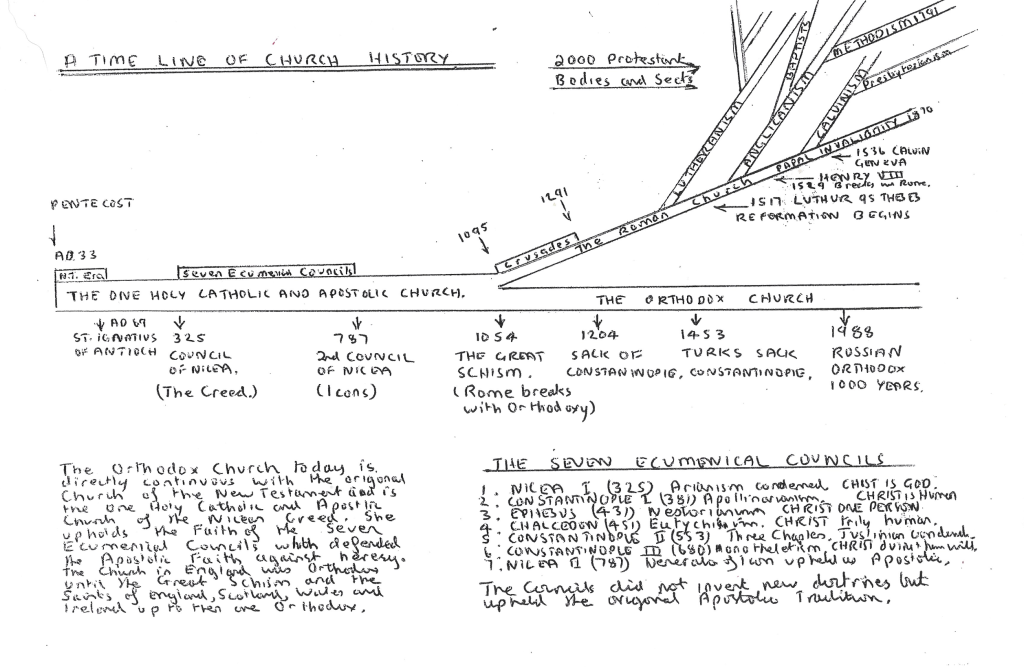
The word Orthodoxy originates from the Greek words orthos – meaning “straight,” “correct,” or “true,” and doxa meaning “common belief” or “glory”. If you decide to learn about Eastern Orthodoxy you will encounter a vast history, tradition and theology, not to mention Church Fathers who do not always agree on certain things. This can seem daunting at first so where should you start? Our boast as Orthodox Christians is that our services and traditions have remained relatively unchanged for 2000 years because we are the true church which was established on Pentecost as recorded in the Book of Acts, Chapter 2. But does this claim hold up to historical scrutiny?
The Liturgy – Tradition holds that the liturgy was first written by St. James (1st century) – the half-brother of Jesus. This was later shortened by St. John Chrysostom (4th century). Epistles of St. Ignatius (1st century) reveal a church which was orderly, hierarchical, liturgical and communional.
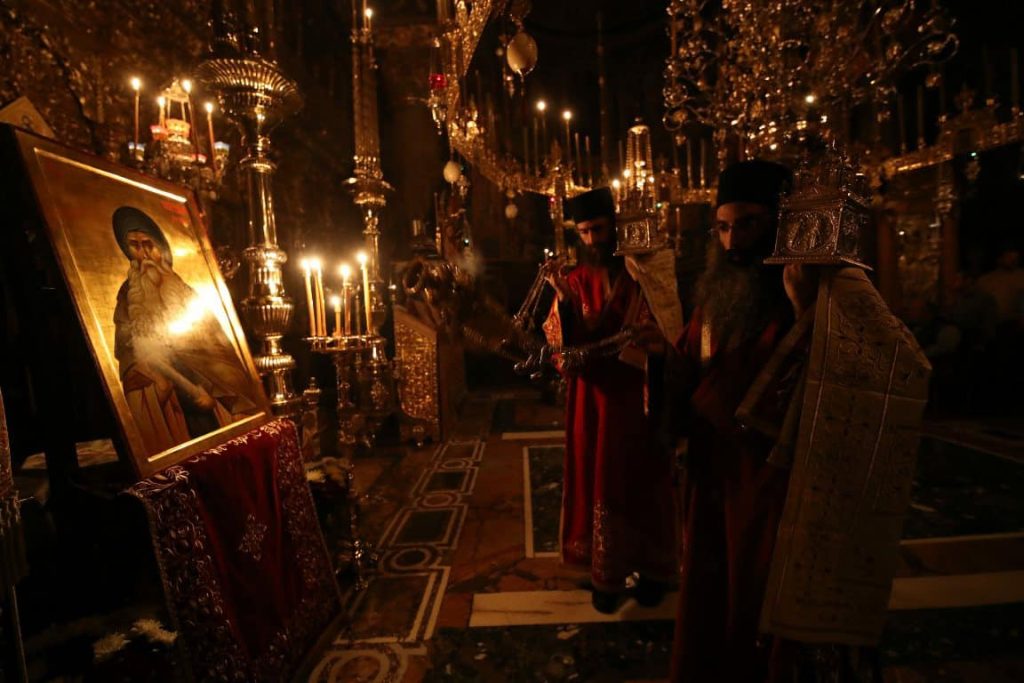
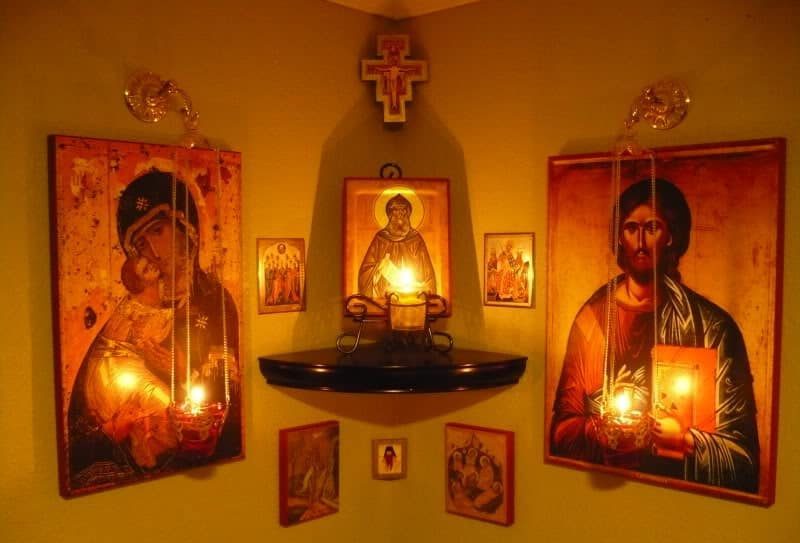
Icons – Tradition holds that the first iconographer was St. Luke (1st century) and that he wrote several icons of the Mother of God which are still copied. These are holy images which we venerate – fulfilling God’s command to fashion images of the Cherubim in the tabernacle (Exodus 26:1).
Clergy and Presbytery – Every Patriarch comes from an unbroken apostolic succession which traces its origins to one of the early church apostles.
Theology of God – The Old Testament – as well as the new – is full of references to God as having the “appearance of a man” (Ezekial 1:24) as well as a “Spirit of the Lord” (Isiah 61:1). However, Trinitarian doctrine was first taught explicitly by St. Justin Martyr and St. Irenaeus in the 2nd century. The essence-energy distinction unique to Orthodoxy was also used by early Church Fathers but not systematized until the 14th century by St. Gregory Palams. These teachings are based on scripture and remain a central doctrine of Eastern Orthodoxy today.
Theology of man – St. Augustine of Hippo (4th century) taught about original sin – that the descendants of Adam are guilty of his sin at birth. However, St. John Chrysostom (4th century) argued that this had unjust implications for the early reposed and instead taught about ancestral sin – that we inherit a fallen nature from Adam as a means, by God, to work out our salvation, but not sin itself. This is also a doctrine of Orthodoxy.
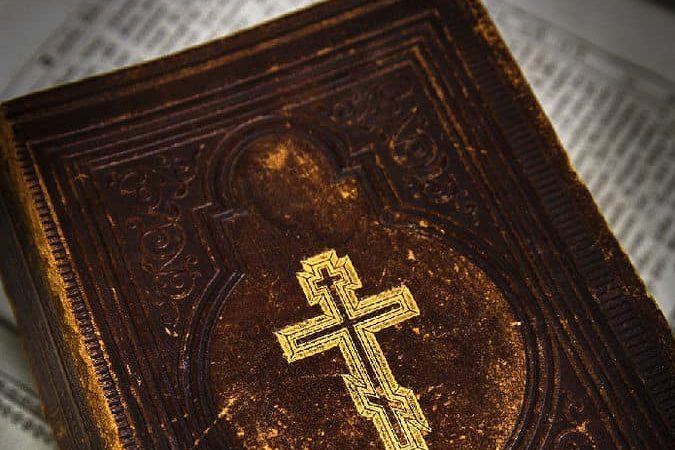
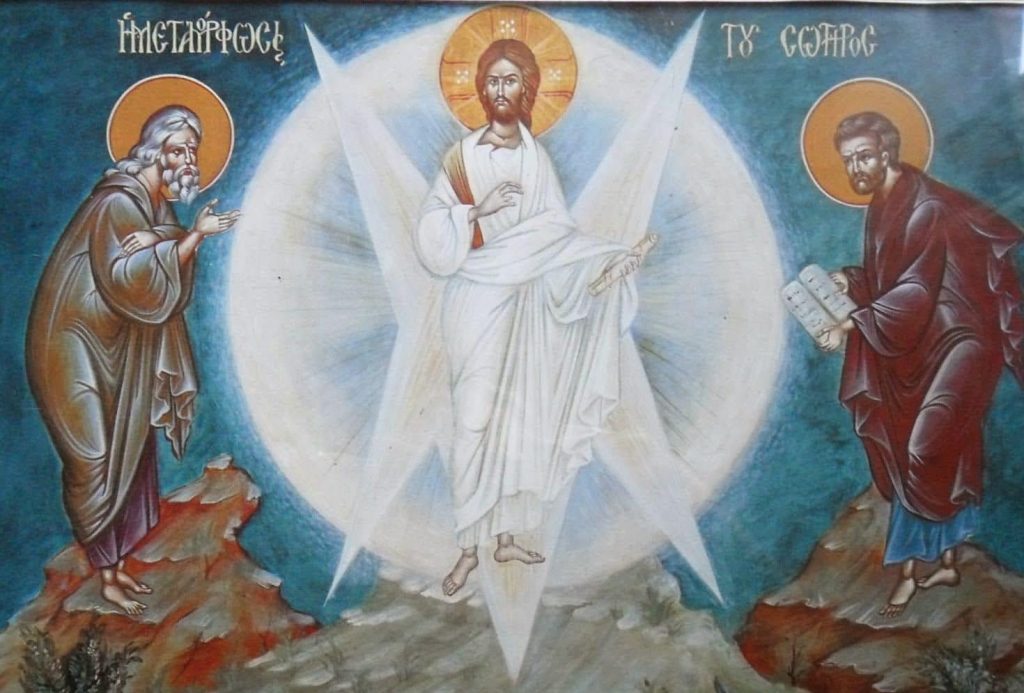
For further detail on these subjects, Fr. Stephen has prepared four talks on the orthodox faith. Click the images below for the links to YouTube. Additionally, you can scroll to the bottom of this page to read his timeline of church history.